The City That Forgot to Sleep
A short story about a night shift, a stranger's umbrella, and the twelve minutes before a skyline goes dark.
By Nadia Vantaggio · 4 August 2026 · 1 min read
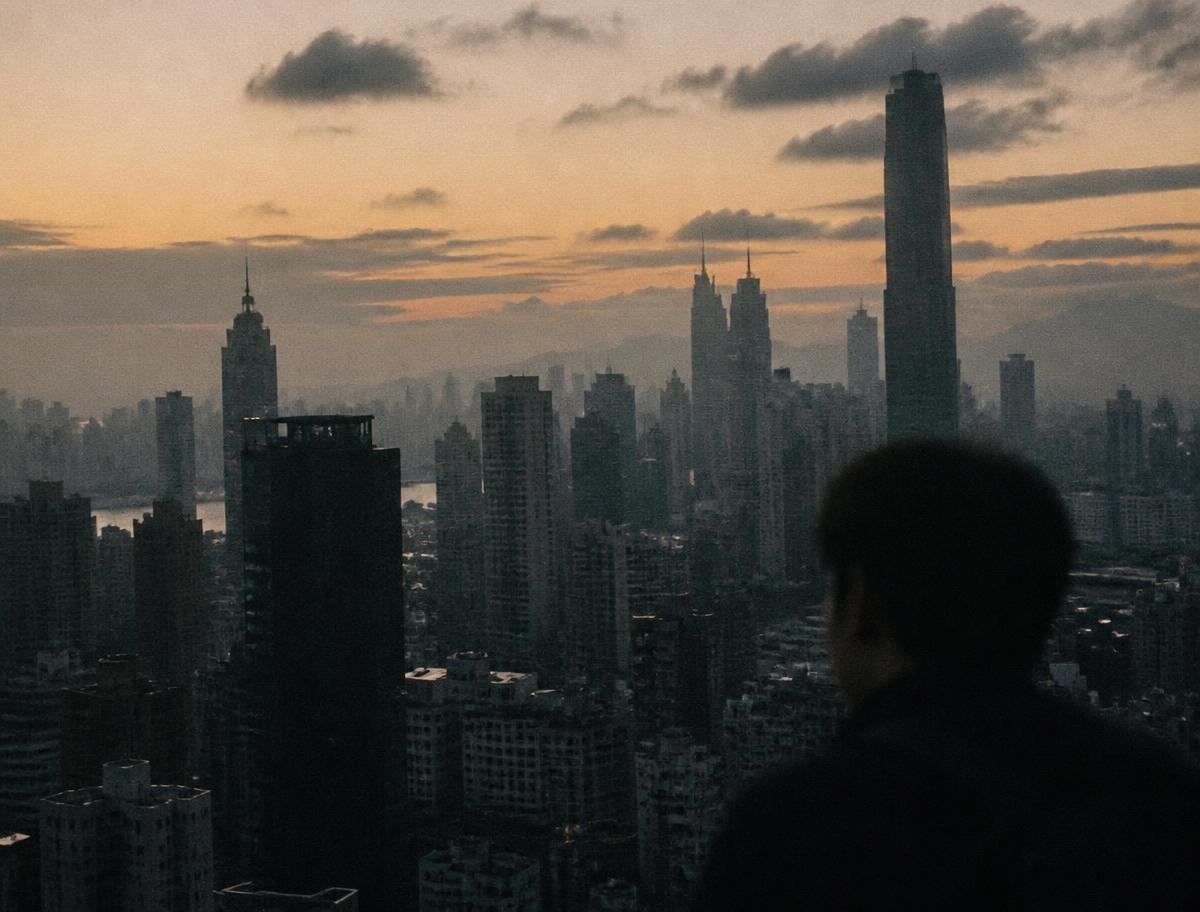
At two in the morning the building across the road still had four windows lit, and Rea had learned to read them the way sailors read weather. Two lights meant somebody was finishing. Four meant somebody had given up on finishing and was simply staying.
She worked nights because the days had become an argument she kept losing. In the dark the city made a different kind of sense: fewer people, more evidence. A delivery bicycle abandoned against a shutter. A man in a good suit eating from a paper carton on the steps of a bank, entirely at peace.
The umbrella arrived on a Thursday. Someone had left it hooked over the railing outside her office, black, absurdly well made, with a handle worn smooth by a hand that was not hers. She kept it for eight days before she started using it, and by then it had become a kind of company.
On the ninth night the skyline went out. Not all at once — that would have been frightening. It happened in floors, from the top down, the way water leaves a bath, and it took twelve minutes. Rea stood in the street with a stranger's umbrella over her head, though it was not raining, and watched a hundred thousand people be reminded simultaneously that the light had always been optional.
In the dark, briefly, everybody looked at each other. A woman laughed. Somebody's radio played. A man asked if she was all right and meant it, which in eleven years in that city had never once happened to her at noon.
Then the power returned, floor by floor, and the city put its face back on. Rea folded the umbrella. She went back inside. She has kept it since, unused, in the corner of a room she rarely enters, because some objects are only useful once and then become proof.
Nadia Vantaggio writes on world for Lion in a Suit.
Read next
Culture · Essay
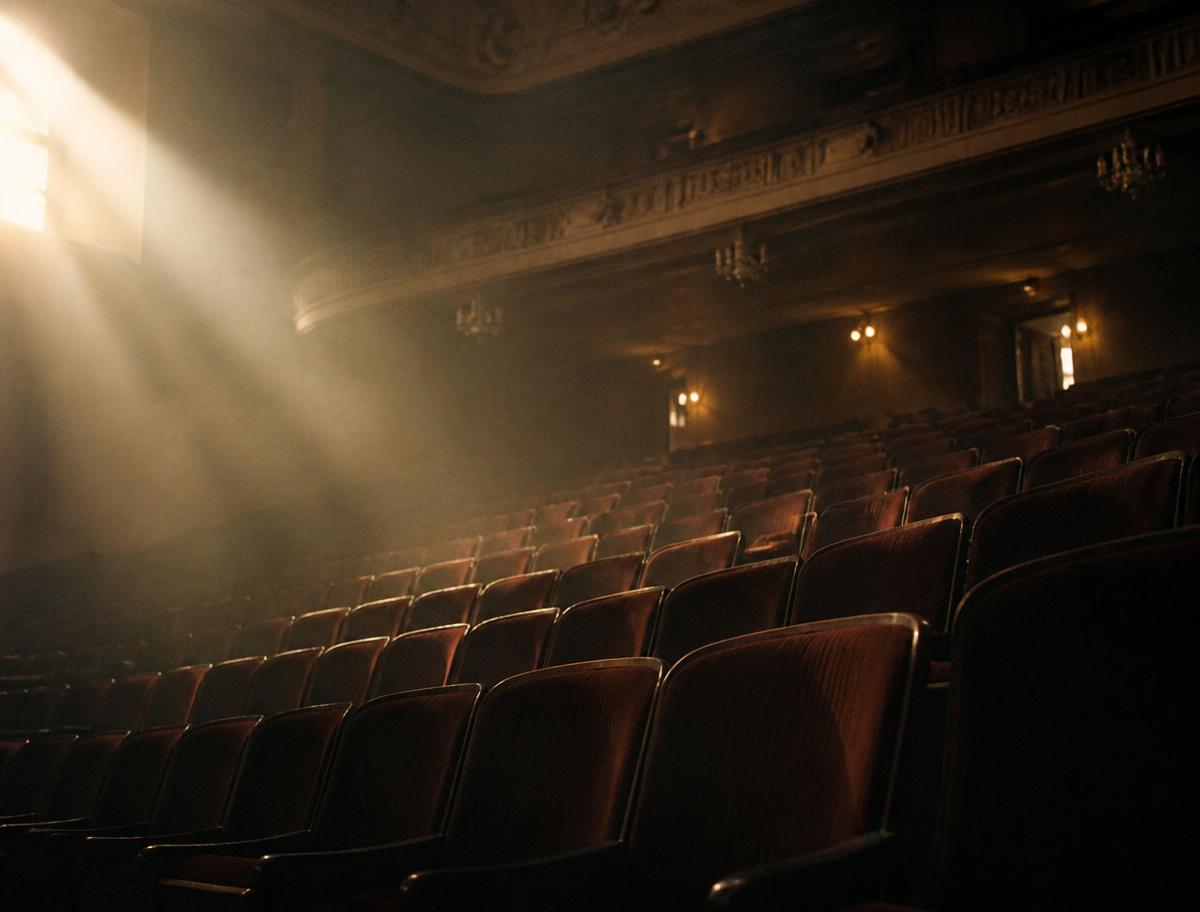
The Long Quiet of a Full House
A thousand people sitting in the dark is the last genuinely collective act we have left. On the theatre as a machine for attention.
Marguerite Aldana · 2 September 2026 · 2 min
Sports · Report
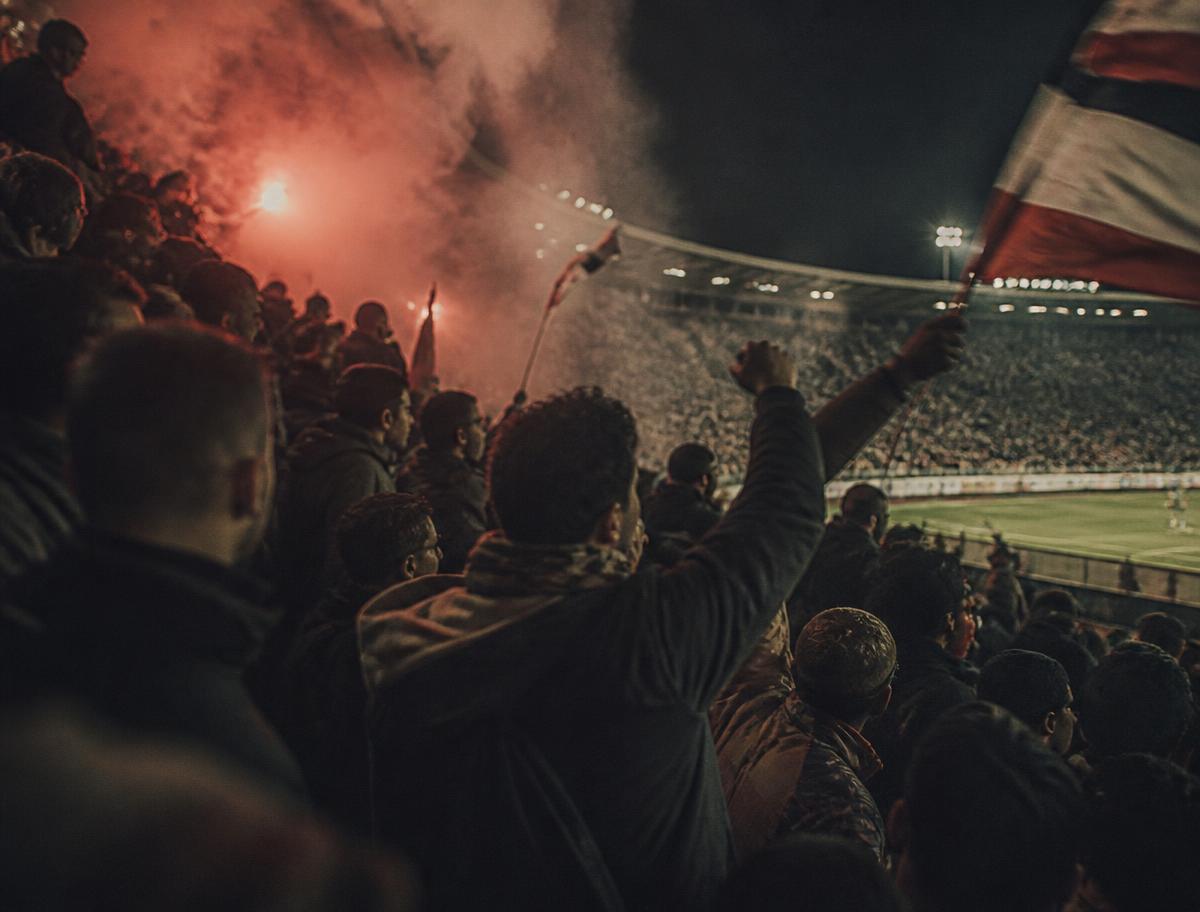
A Man Who Taught Himself to Lose
Twenty-two years in the lower divisions, four promotions, no trophies. A study of a career built entirely out of defeat.
Iker Ferreira · 28 August 2026 · 2 min

Music · Essay
The Record That Refused to End
Four musicians, one broken tape machine and eleven months in a room. Notes on the last great analogue album.
Delphine Okonjo · 19 August 2026 · 1 min