The Record That Refused to End
Four musicians, one broken tape machine and eleven months in a room. Notes on the last great analogue album.
By Delphine Okonjo · 19 August 2026 · 1 min read

The desk was built in 1974 and had been repaired so often that no two channels behaved the same way. This was, everyone involved insists, the point. A studio with quirks forces decisions; a studio without them defers them forever.
You can hear the room on the finished record, which is the oldest compliment in music criticism and still the truest one. There is a low hum under the second track that nobody managed to remove and eventually nobody wanted to. There is a moment at the end of the fifth song where a chair scrapes. Perfection was available. It was declined.
What interests me is not the romance of tape — plenty of dull records were made on tape — but the constraint. Twenty-four channels means you cannot keep every idea. Somebody has to say no on a Tuesday afternoon while the others are still in love with their own contribution. That argument, held in a room, at volume, is a form of editing that unlimited digital tracks quietly abolished.
The band spent eleven months there. They ate badly. Two of them stopped speaking for a fortnight over a bassline that does not appear on the album. When it finally came out it sold modestly and then, over four years, refused to go away.
Records like this are now nearly impossible to finance and entirely possible to make. That gap — between what the industry will pay for and what four people in a room can still do — is where most of the interesting music of the next decade is going to come from.
Delphine Okonjo writes on music for Lion in a Suit.
Read next
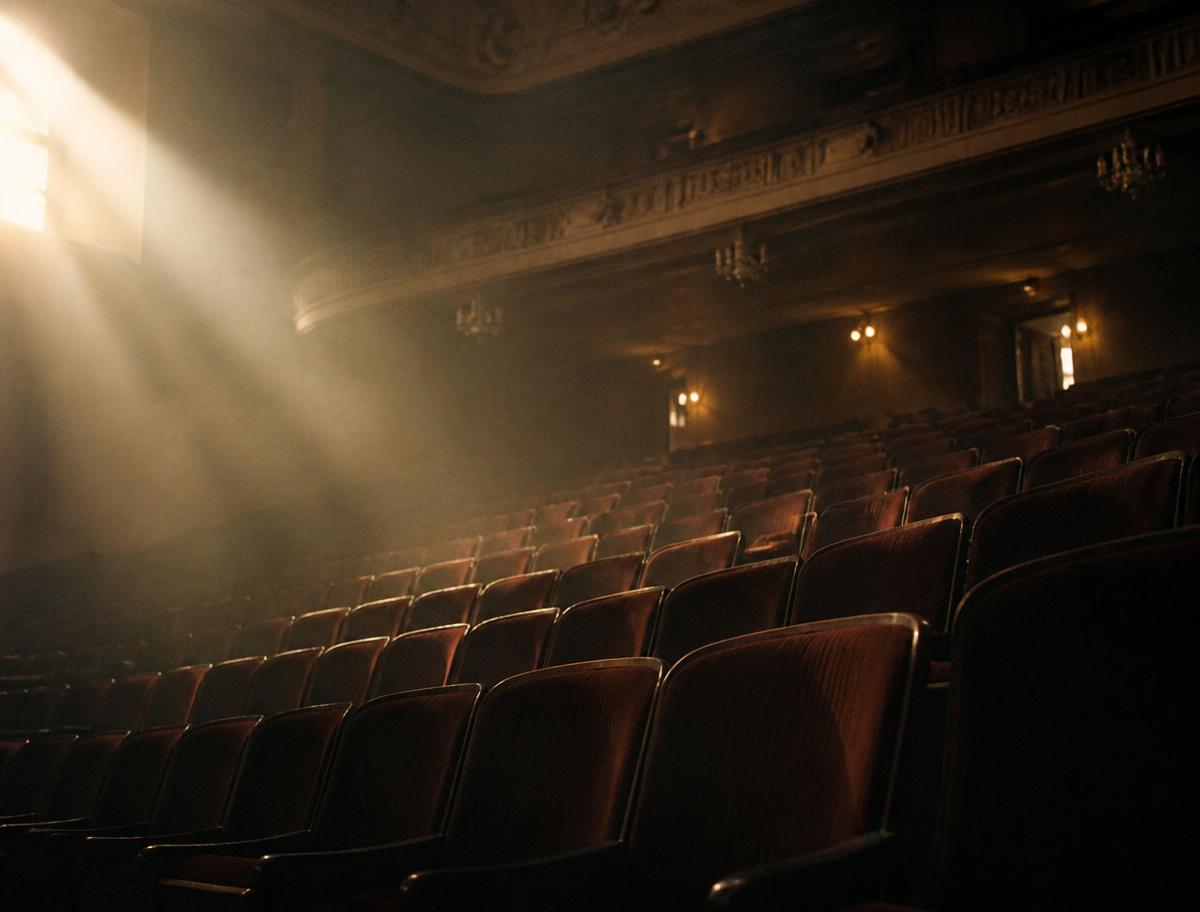
Culture · Essay
The Long Quiet of a Full House
A thousand people sitting in the dark is the last genuinely collective act we have left. On the theatre as a machine for attention.
Marguerite Aldana · 2 September 2026 · 2 min

Sports · Report
A Man Who Taught Himself to Lose
Twenty-two years in the lower divisions, four promotions, no trophies. A study of a career built entirely out of defeat.
Iker Ferreira · 28 August 2026 · 2 min
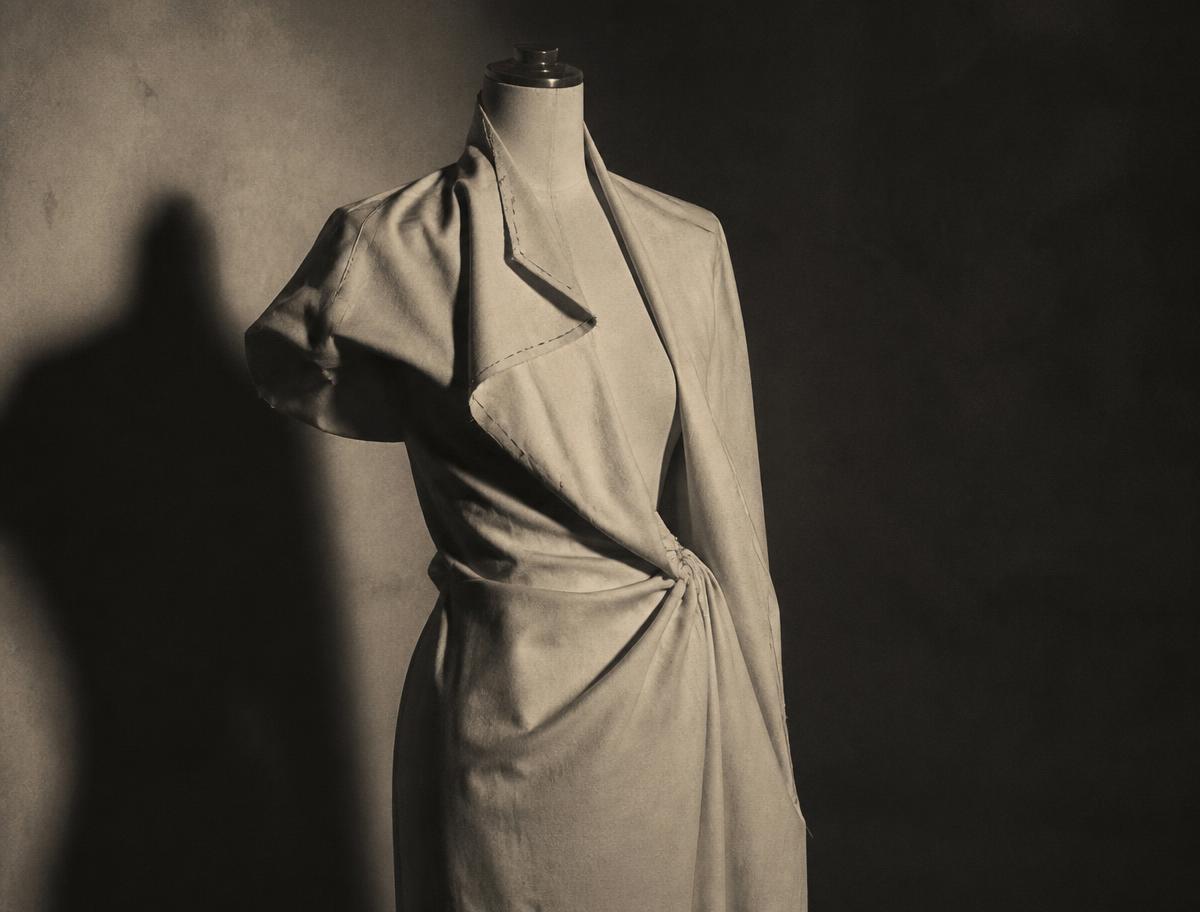
Fashion · Opinion
In Defence of the Single Good Coat
Against the churn: an argument for owning less, paying more, and letting clothes acquire a history.
Sébastien Rouhani · 11 August 2026 · 1 min