The Long Quiet of a Full House
A thousand people sitting in the dark is the last genuinely collective act we have left. On the theatre as a machine for attention.
By Marguerite Aldana · 2 September 2026 · 2 min read
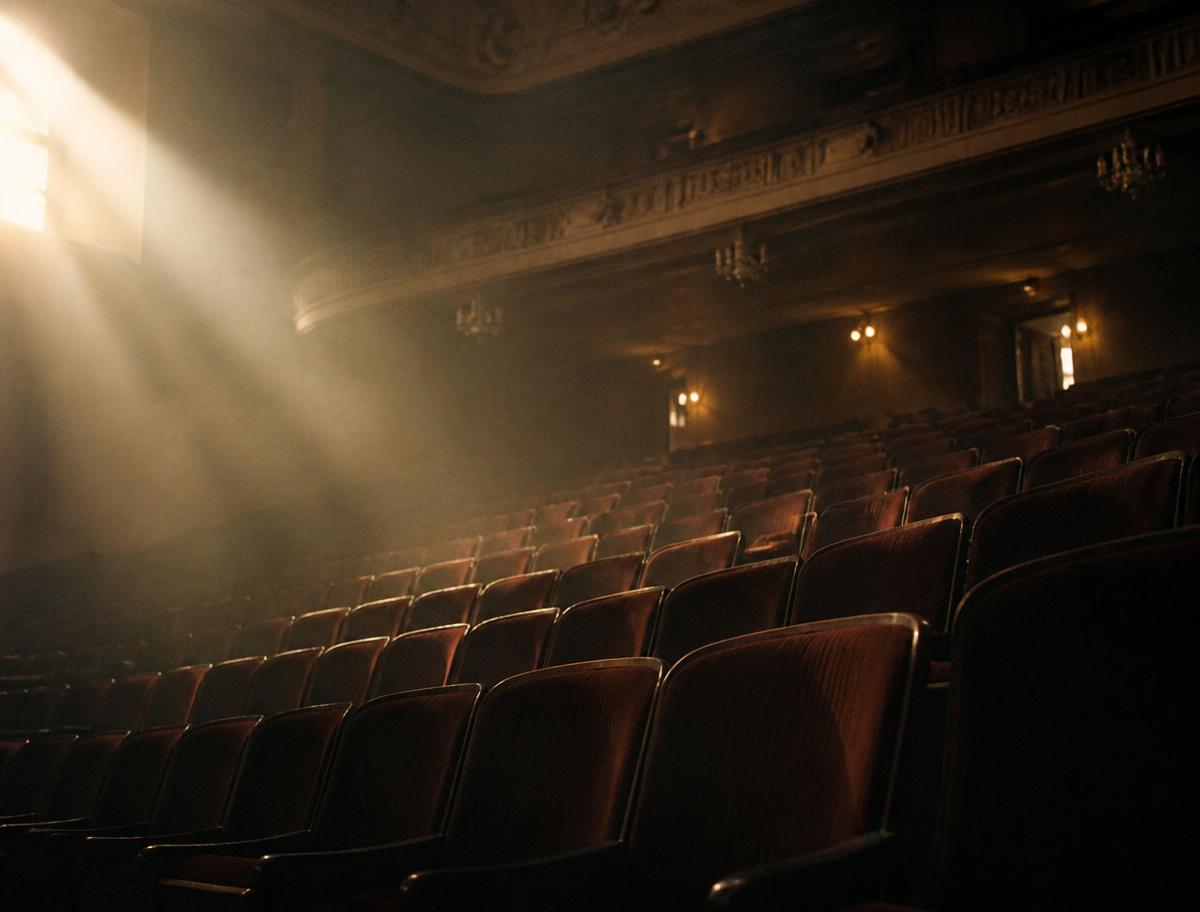
There is a particular silence that arrives about ninety seconds after the house lights go down, and it is not the absence of sound. It is a thousand people agreeing, without negotiation, to want the same thing at the same time. Nothing else in modern life asks this of us. We have replaced almost every shared ritual with a private feed, and yet the auditorium survives, stubborn as a cathedral, insisting that attention is something we can still do together.
I have been going to the same theatre for eleven years, mostly alone, usually badly dressed. The seats are the colour of dried wine. The building leaks in two places. None of that matters once the first actor speaks, because what the room offers is not comfort but consequence: the performance happens once, it cannot be paused, and your attention is the only currency accepted at the door.
That is the whole argument, really. Attention has become the scarcest thing we own and the most casually spent. We have built an economy that pays handsomely for fragments of it and nothing at all for the sustained kind. A play, a novel, a long piece of writing — these are technologies for the sustained kind, and they are being outcompeted not because they are worse but because they ask more.
It would be easy to end here, in the register of complaint. But the interesting question is not whether we are distracted. Of course we are distracted. The interesting question is what happens to a culture when its citizens lose the muscle for sitting still, and whether that muscle can be rebuilt in adults who have already let it soften.
I think it can. I think it is rebuilt the way any muscle is: through repetition, mild discomfort and the company of others doing the same thing. The first hour is difficult. The hand reaches for the pocket. The mind drafts emails. And then, somewhere in the second act, the noise drops away and something older takes over — the part of us that has been listening to stories in the dark for forty thousand years.
That older part is not nostalgic. It is not asking us to return to anything. It simply knows that meaning accumulates slowly and cannot be skimmed, and that the people around us in the dark are not an audience but a temporary society, formed for two hours around a shared decision to pay attention.
When the lights come up, the society dissolves. People check their phones on the stairs. Someone complains about the ending. The building keeps leaking. But for a while it held, and the holding is the point.
Lion in a Suit
Read next
Sports · Report
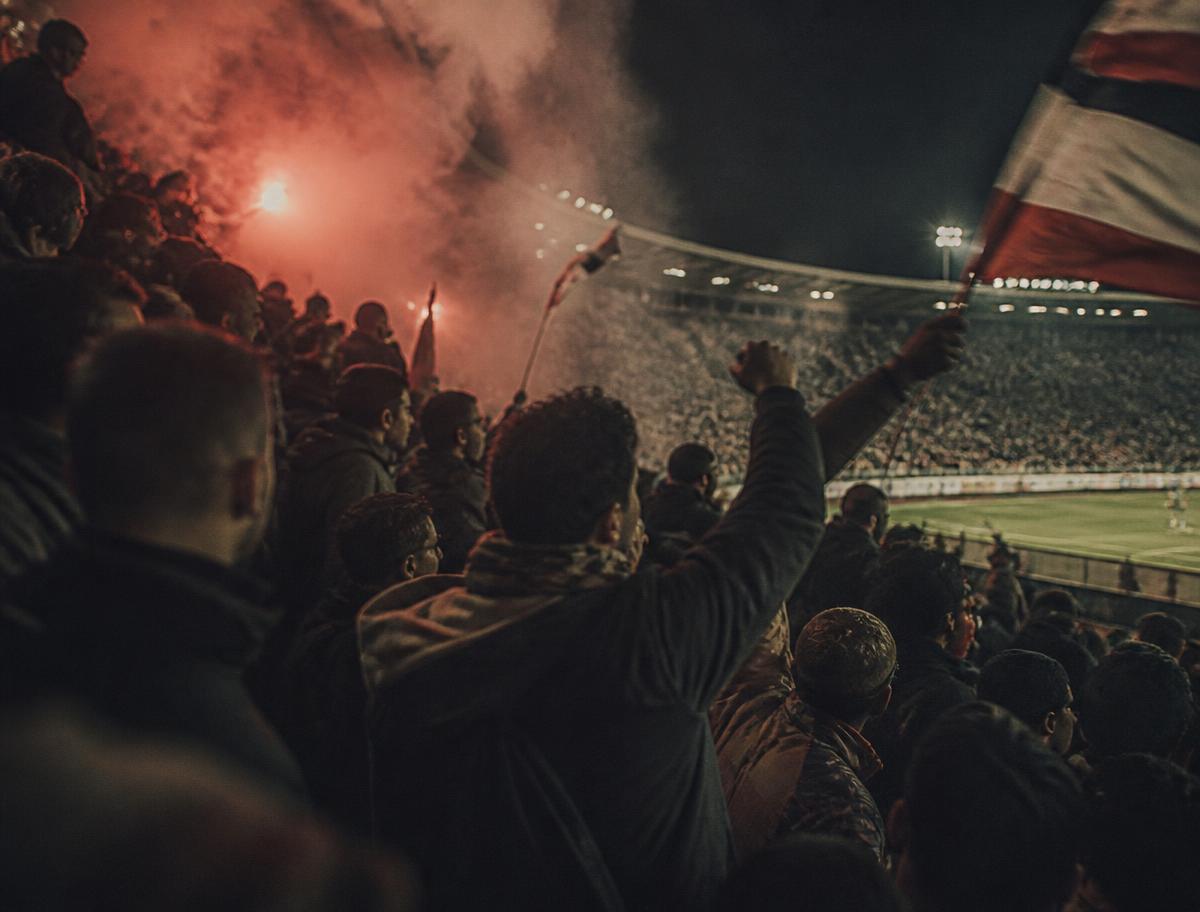
A Man Who Taught Himself to Lose
Twenty-two years in the lower divisions, four promotions, no trophies. A study of a career built entirely out of defeat.
Iker Ferreira · 28 August 2026 · 2 min

Music · Essay
The Record That Refused to End
Four musicians, one broken tape machine and eleven months in a room. Notes on the last great analogue album.
Delphine Okonjo · 19 August 2026 · 1 min
Fashion · Opinion
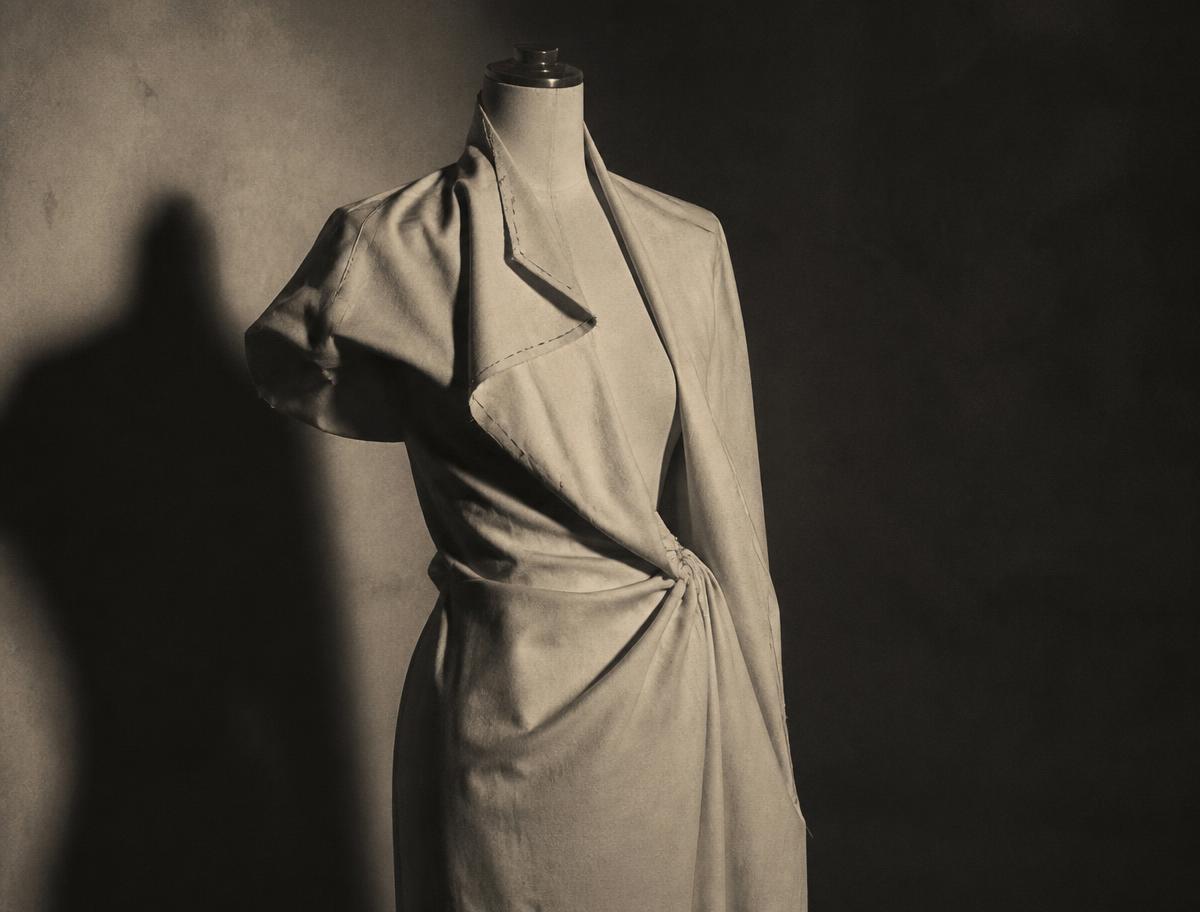
In Defence of the Single Good Coat
Against the churn: an argument for owning less, paying more, and letting clothes acquire a history.
Sébastien Rouhani · 11 August 2026 · 1 min